
Check-in Dover - Calais
Deadlines differ by operator and by how you travel. What binds you, what the border sequence adds, and how much buffer peak days really need.
- Deadlines are per operator, not per port
- Border checks happen before boarding
- Peak days need up to 2 hours
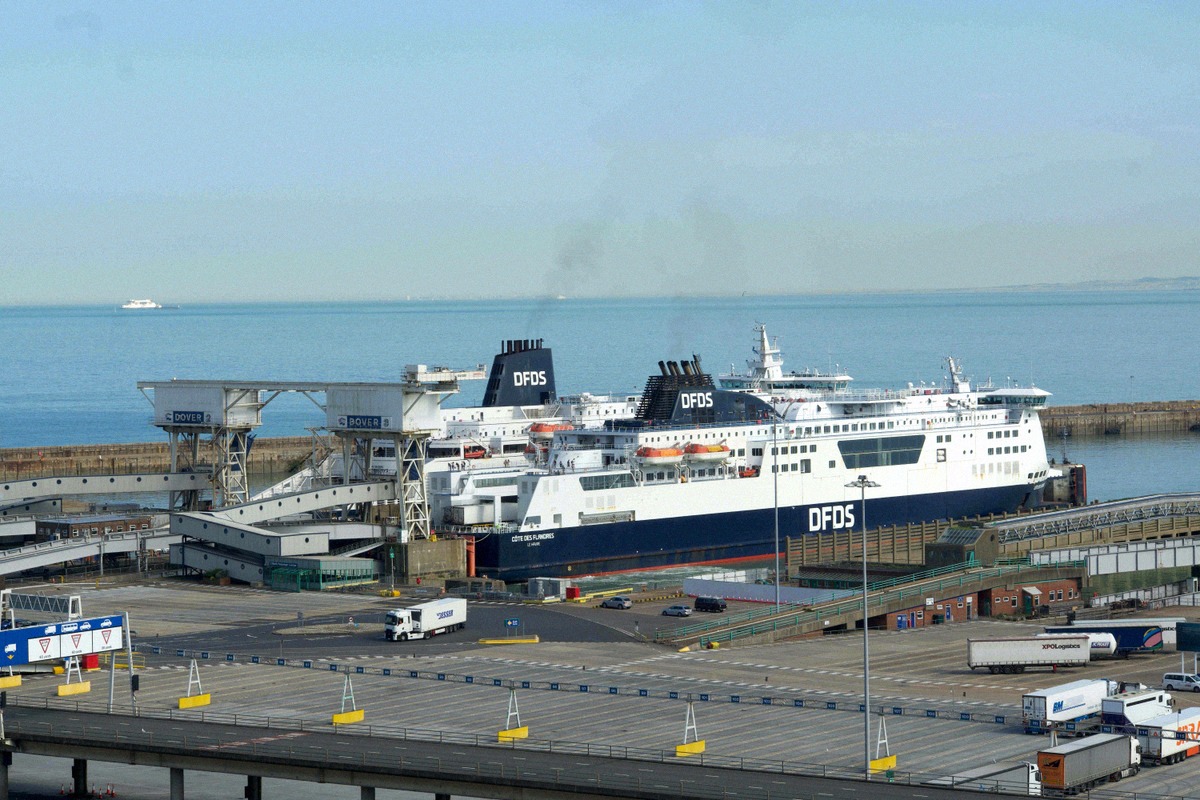
Check-in step by step
Table of Contents
Check-in on this route is quick; what needs planning is everything between the kiosk and the ramp. Both ports run two border controls back to back before boarding - French and British, in the order of your direction - and since ETA and the EU Entry/Exit System arrived, those minutes stretch on peak days. This page gives the deadlines per operator and mode, then the sequence as you will actually drive it.
The deadlines, per operator
- P&O Ferries: plan for 90 minutes with a vehicle. P&O's own pages currently publish both 60 and 90 minutes; the stricter figure appears on its route and pet pages, so treat 90 as binding. Foot passengers and cyclists: 90 minutes, mechanically enforced by the terminal shuttle (see foot passengers).
- DFDS: check-in closes 60 minutes before departure; in high season DFDS advises allowing 120 minutes to clear all controls.
- Irish Ferries: 60 minutes for cars, SUVs, vans and motorhomes; 90 minutes when travelling with a pet or when you need assistance; coaches 2 hours. Irish Ferries adds a Calais-specific warning: border control processing comes after check-in, so allow time for both.
Two port-side rules frame the window: Dover asks tourist traffic to arrive no earlier than two hours before departure, and Calais advises up to two hours on peak dates. The deadline that binds you is always the one in your booking confirmation.
The sequence with a vehicle
- Check-in kiosk. Drive-through at your operator's lane; the booking reference or number plate identifies you. You get a boarding card or hanger with your lane number.
- First border control. Leaving the UK: French entry checks (juxtaposed controls happen in Dover). Leaving France: French exit checks first.
- Second border control. UK Border Force in Calais, or UK exit formalities and security in Dover. Passports for everyone in the car go through the window together.
- EES registration. Since October 2025 the EU Entry/Exit System registers non-EU travellers - photo and fingerprints, at kiosks or the booth - before departure towards France. First registration takes a couple of minutes per person; later crossings reuse it for three years. Children under 12 are photographed but give no fingerprints.
- Boarding lane. Park in your numbered lane and stay with the vehicle until the load call. On board, the vehicle deck closes for the crossing - take up what you need.
Documents worth checking the week before
- Passports for every traveller; national ID cards are no longer accepted for UK entry (narrow EU Settlement Scheme exceptions aside). UK passports entering France must be under 10 years old at entry and valid 3 months beyond the planned departure from Schengen.
- UK ETA for visa-free visitors to the UK, including EU citizens: apply online or in the official app, currently GBP 20 per person, valid two years, every traveller including babies needs their own. Apply a few days ahead - and only via GOV.UK, not lookalike sites.
- Pets add their own paperwork and the 90-minute deadline with Irish Ferries; the full picture is on the pets page.
- French minors travelling without both parents need the signed AST parental authorisation.
How much buffer peak days need
School holidays, summer Saturdays and bank-holiday weekends are when the double border check turns from minutes into queues - it is the port bottleneck, not the check-in kiosk. The operators' own peak advice (DFDS: 120 minutes; Calais port: up to two hours) is the realistic planning figure. On the UK side, watch for Operation Brock on the M20 before you even reach Dover; see onward travel for the road picture.
FAQ
Frequent questions about check-in
When does check-in close for a car? +
With DFDS and Irish Ferries 60 minutes before departure. P&O publishes both 60 and 90 minutes on different pages - plan for 90 and you are safe with all three. In high season, DFDS itself advises allowing 120 minutes for the controls.
Do I need to leave the car during checks? +
Normally no - check-in and both border controls are drive-through, and you hand passports through the window for everyone in the car. Only the EES registration can ask non-EU travellers for extra steps.
What documents do the checks expect? +
A passport for every traveller. UK-bound visitors without a visa need an ETA (including children and babies); non-EU travellers entering the Schengen area are registered under EES. National ID cards are no longer accepted for UK entry, with narrow settled-status exceptions.
What if I arrive late? +
Whether you sail depends on your fare, not on sympathy. P&O and DFDS tickets allow travel up to 4 hours either side of the booked sailing on their standard tiers; Irish Ferries moves you to its next sailing against an amendment fee. Details on the prices page.
When am I allowed to arrive at the earliest? +
Dover asks tourist traffic to arrive no earlier than two hours before departure. Calais opens check-in without such a cap, but there is little reason to be earlier than the peak-day advice anyway.