On Board with Your Vehicle
Cars, motorhomes, caravans and motorbikes all cross - the fare follows length and height. How to book the right category and what the deck rules mean for your crossing.
- Fare per vehicle, passengers included
- Length and height set the band
- All three operators carry motorhomes
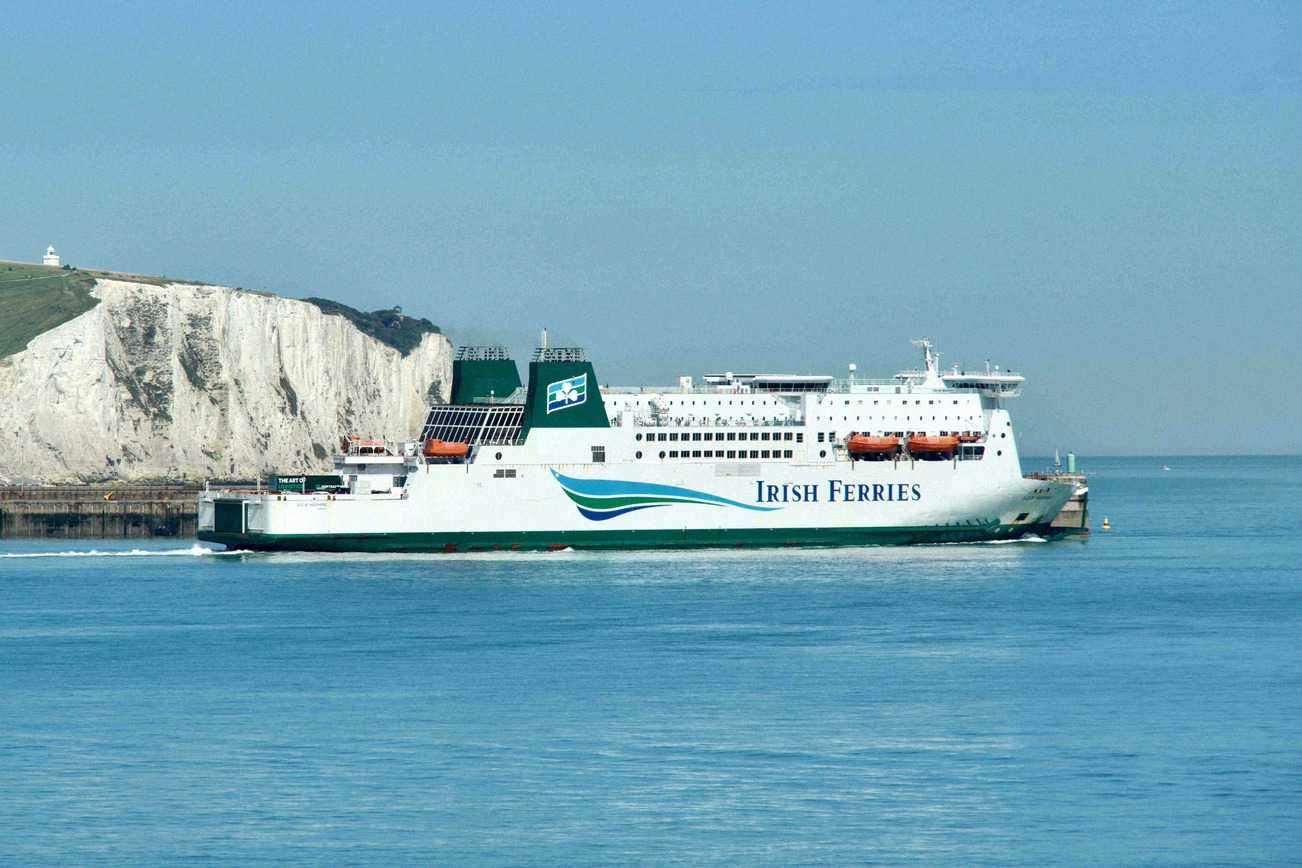
Vehicles on the Dover - Calais ferry
Table of Contents
Every fare on this route starts with the vehicle: the deck is sold by the metre, in length and in height, and the passengers ride within the vehicle ticket. That makes the booking form's two measurement fields the most expensive place on the internet to guess. This page sorts the categories, the measuring, and the special cases from motorbikes to LPG.
The categories and what counts
A standard car is the base band. A van, a minibus, a motorhome and a car with caravan or trailer sit in their own bands, priced by total length and height. The current starting fares per category and operator are in the prices table; the pattern to remember is that height thresholds around two metres and length steps of roughly a metre separate the bands, and one bike rack can cross a threshold.
Measure the whole rig, loaded: length bumper to the last attachment (towbar, carrier, trailer coupling included), height ground to the highest point (box, aerial, satellite dome included). Booking honestly is not just virtue - a mismatch at the check-in kiosk means paying the difference at port rates, on the day, in the lane.
Motorhomes and caravans
All three operators carry motorhomes and caravans on every sailing - this route has no vehicle-height cutoff that matters for ordinary leisure vehicles, and the drive-through decks load without ramps worth worrying about. Book the combination (car plus caravan) as one unit with its total length. Gas bottles for camping travel within operator limits, closed and with appliances off; the exact allowances are confirmed in the booking step. If your camper is powered by LPG, the ferry is not just an option but the only one on this corridor - the tunnel excludes gas-powered vehicles entirely (ferry vs Eurotunnel).
At the ports, longer vehicles use the standard check-in lanes; nothing changes in the sequence described on the check-in page except the value of arriving unhurried.
Motorbikes
Motorbikes have their own tariff with all three operators - typically around half a car fare - and use the normal vehicle check-in with the same deadlines. On board, the crew points you to the strapping area; bring your own tension straps only if you prefer them, the ships provide securing. One Irish Ferries particularity: riders travelling with a pet must book the Pet Den, since a motorbike offers no vehicle for the animal to stay in (pets).
During the crossing
Vehicle decks close once the ship sails: plan the roughly 90 minutes (100 on DFDS) upstairs with everything you need - documents, coats, medication, the children's entertainment. Alarms off, handbrake on, and note your deck and staircase; the ships are large and the lanes look identical. Fuel state does not matter on the ferry the way it does for queues: there is no engine-running wait on the crossing itself.
Booking it right
The live search prices all three operators for your exact vehicle in one pass - which matters, because the operators' bands do not move in lockstep and the cheapest carrier for a car is not always the cheapest for a seven-metre motorhome. Enter the real measurements, compare the fare types for flexibility, and check the timetable for the sailing that fits your driving day on both sides (onward travel).
FAQ
Frequent questions about vehicles
Are passengers included in the car fare? +
Yes - on this route the ticket is priced per vehicle with its passengers. What changes the price is the vehicle category, the date and the fare type; see the prices page.
How do I measure a motorhome or caravan? +
Total length including towbar and anything attached, and total height including roof boxes, aerials and bike racks. The booking asks for both; under-declaring surfaces at check-in as a surcharge at port rates.
Can I stay in my vehicle during the crossing? +
No. Vehicle decks close for the crossing on all three operators - everyone goes up to the passenger decks for the roughly 90 minutes. Take what you need with you, including pets' needs if they stay in the car.
Can I take an LPG-powered car or camper? +
Yes, the ferries carry LPG-powered vehicles - declare the fuel type when booking. That is a real difference to the tunnel: LeShuttle does not carry vehicles running on LPG or other flammable gas; see ferry vs Eurotunnel.
What about camping gas bottles for the trip? +
Carried within operator limits - bottles closed and appliances off during the crossing. Declare gas on board when booking and follow the operator's current dangerous-goods rules, which the booking step shows.
Category clear?
Enter your vehicle's real measurements and get the live fare for your date.