Dover to Calais Ferry
The shortest Channel crossing - compare P&O, DFDS and Irish Ferries and book your sailing, from Dover or from Calais.
- Dover to Calais in around 90 minutes
- More than 30 sailings a day with P&O, DFDS and Irish Ferries
- Cars, motorhomes and motorbikes - foot passengers with P&O
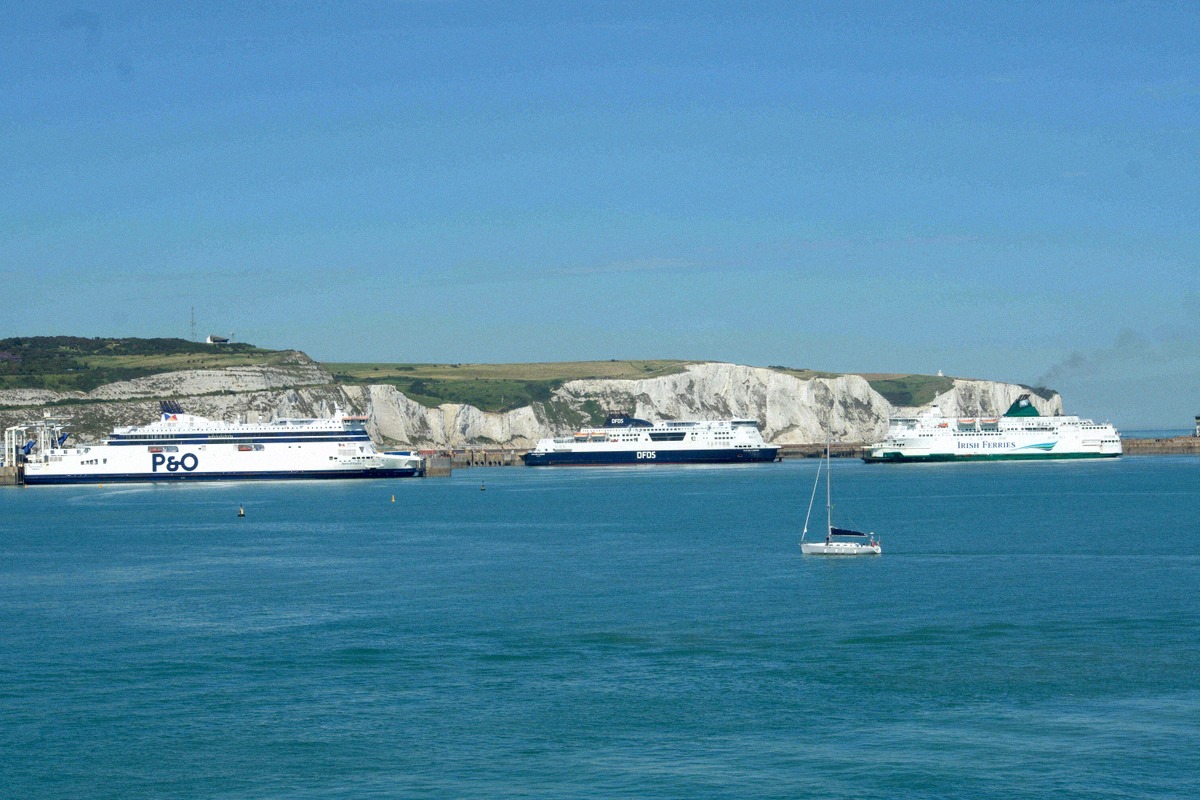
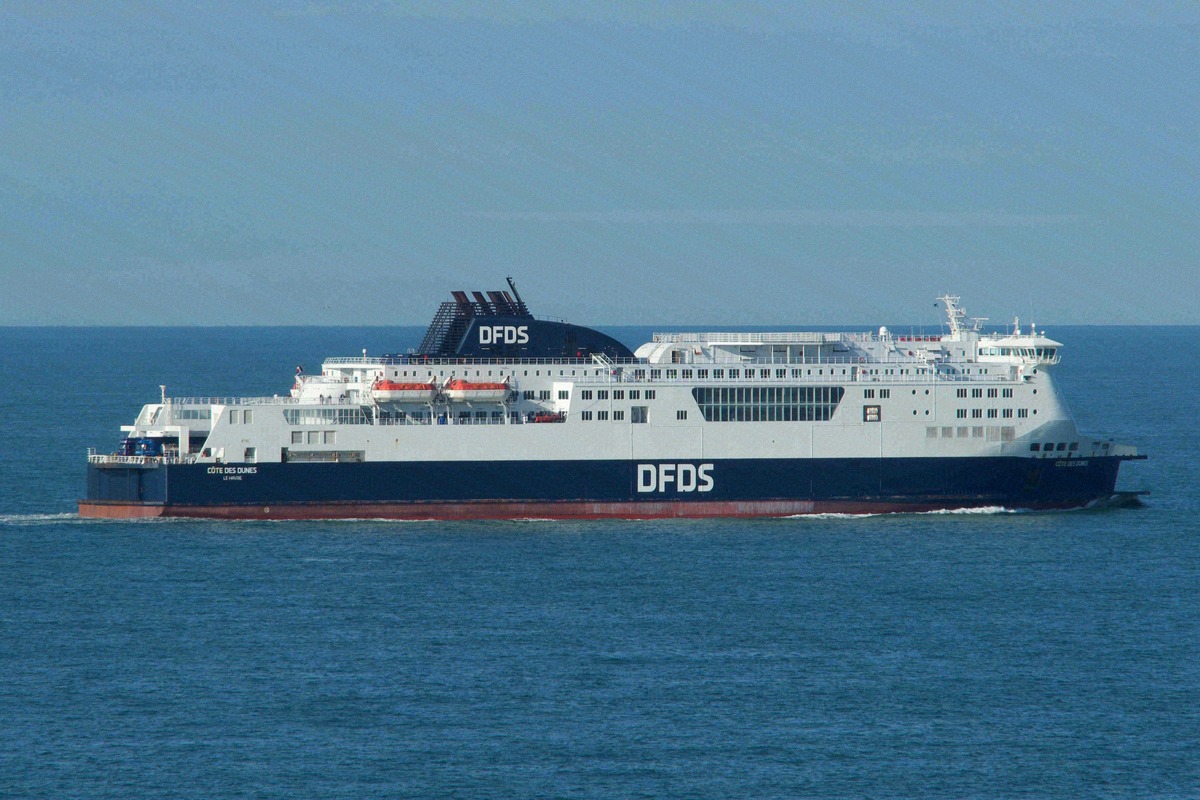
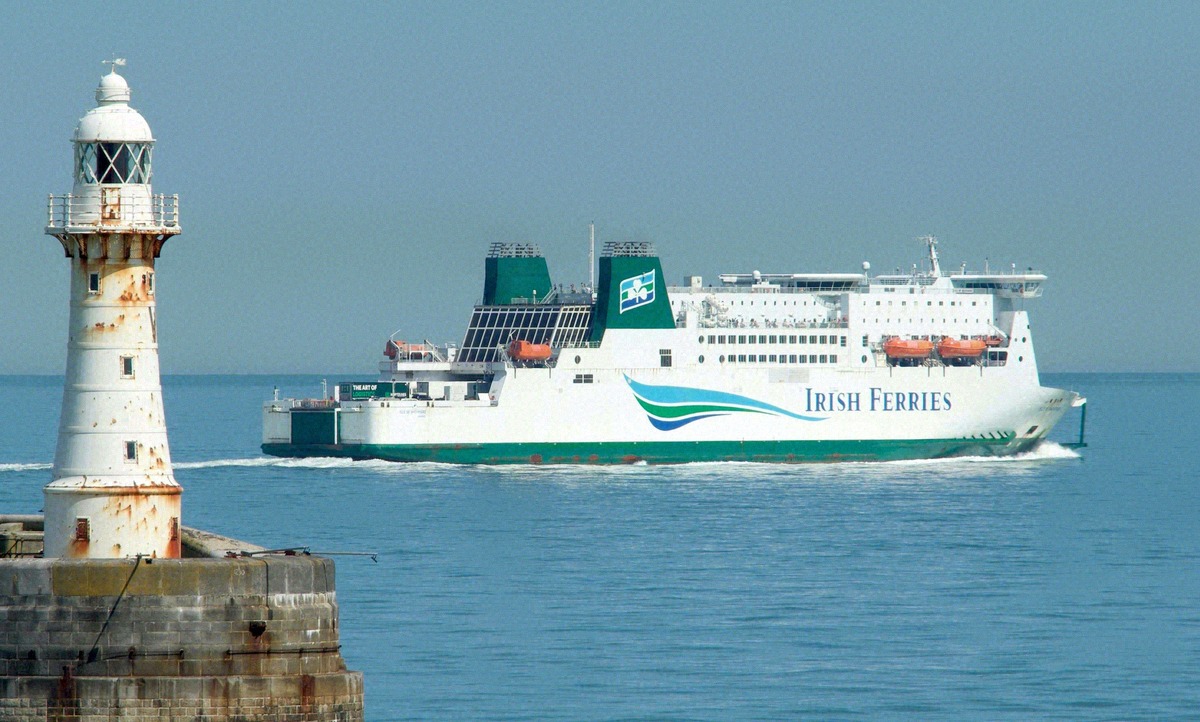
The Dover to Calais crossing, start to finish
Table of Contents
The Dover to Calais ferry is the workhorse of the Channel: around 90 minutes across the Strait of Dover, more than 30 sailings a day in each direction, three operators - P&O Ferries, DFDS and Irish Ferries - on one stretch of water. For anyone driving between Britain and the Continent it is the default crossing, and its rhythm is closer to a bus service than a boat trip: miss one sailing and the next is rarely more than an hour away. The same ships sail back as the Calais to Dover ferry, so both directions are covered here.
This page walks the crossing from arrival to arrival: the ports, check-in and the border sequence, the time on board, vehicles and foot passengers, and how the tickets work. The two numbers that change daily live elsewhere - departures in the live sailing times, fares on prices, and today's delays, wind and webcams on live updates.
P&O, DFDS or Irish Ferries? The short version
| P&O Ferries | DFDS | Irish Ferries | |
|---|---|---|---|
| Crossing | ca. 90 min | ca. 100 min | ca. 90 min |
| Foot passengers | yes, fixed sailings, online only | no | selected sailings only |
| Car check-in | plan 90 min | 60 min | 60 min |
| Ships 2026 | P&O Pioneer, P&O Liberte, Spirit of France | Cote des Dunes, Cote des Flandres, Cote d'Opale | Oscar Wilde, Isle of Inishmore |
| Fare ladder | Standard / Standard Flexi / Fully Flexi | Economy / Premium (72-hour window) | Economy / Flexi / Flexi+ |
Eligibility decides first: without a car it is P&O; with maximum rebooking freedom, DFDS; for a sharp day return, Irish Ferries. After that, let the sailing time decide, not the logo - the three interleave across the day and the fares track each other closely. The detailed matrix with pets, lounges and ships is on the operator comparison.
Getting to the ports
On the English side every sailing uses Dover's Eastern Docks: the M20/A20 along the coast or the M2/A2 from the north, both ending at the Eastern Docks Roundabout, about two hours from London. On the French side the terminal sits at 285 Avenue du Merite Maritime in Calais, ten minutes off the A16, with the A26 towards Paris branching just south of town. Both approaches, stations for car-free travellers and the fuel-stop logic are on the port pages: Dover ferry port and Calais ferry port; where to leave the car for a walk-on trip is on parking, and the onward legs are under onward travel.
Check-in and the border sequence
Check-in closes 60 minutes before departure with DFDS and Irish Ferries; with P&O, plan 90 minutes - its pages currently publish both figures, and the stricter one is the safe one. After the kiosk come two border controls back to back, French and British, both before boarding: the UK and France run juxtaposed controls in each other's ports. Since ETA (for visa-free visitors to the UK) and the EU Entry/Exit System (for non-EU travellers into Schengen) arrived, those checkpoints are where peak-day time goes - in the school holidays, treat two hours at the port as normal. The whole sequence, deadlines by operator and the document list are on the check-in page.
On board
Ninety minutes is long enough for a proper break and short enough that nobody needs a cabin. The ships are big - P&O's double-ended Pioneer and Liberte, DFDS's Cote-class trio including the e-Flexer Cote d'Opale, Irish Ferries' Oscar Wilde and Isle of Inishmore - with restaurants, duty-free floors, lounges and play areas; the operator differences are covered in the comparison. Vehicle decks close for the crossing, so take what you need upstairs. Cards are the payment default on board, in pounds or euros.
Vehicle, bike, on foot
The fare is priced per vehicle, passengers included; length and height set the band, which makes honest measuring the cheapest habit on this route - the practical guide is on vehicles. Motorhomes and caravans sail on every departure, LPG-powered vehicles are welcome (unlike in the tunnel), and motorbikes pay roughly half a car fare. Without a vehicle, P&O sells foot-passenger tickets on fixed daily sailings, online only, and bicycles cross with P&O and DFDS - the walk-on world is on foot passengers. Dogs, cats and ferrets travel with all three operators; their paperwork is the one genuinely unforgiving part of this route, explained on pets.
Arrival and onward
Both ports empty straight onto motorways: the A16/A26 network in Calais (Paris in about three hours, Belgium under an hour), the A20/A2 in Dover (London in about two). France runs an hour ahead of Britain, so eastbound arrivals look ninety minutes older than they are. If your plans involve the tunnel as plan B, the systems compare honestly on ferry vs Eurotunnel - and in a gale or a strike, three operators on one route are the redundancy that keeps this crossing moving; the status pages, port webcams and the Dover Strait forecast are collected on live updates and weather.
Tickets and fares
Every operator sells a ladder from restricted to flexible: P&O's Standard tiers carry a four-hour flexibility window, DFDS's Premium stretches it to 72 hours, Irish Ferries adds sharply priced day returns and a Club Class upgrade. Book early on fixed dates - the cheap allocations sell out rather than get repriced - and compare all three operators in one search, because the winner changes by day and hour. The fare logic, the season table and the cancellation rules are on prices, frequent questions in the FAQ.
Dover - Calais
Dover to Calais: the shortest Channel crossing
The Dover to Calais ferry is the shortest crossing between England and France: around 90 minutes across the Strait of Dover, with P&O Ferries and Irish Ferries at about an hour and a half and DFDS at around 100 minutes. Three operators on one route mean a combined timetable of more than 30 sailings a day in each direction, from before dawn to late at night.
Both directions live on this site: from Dover's Eastern Docks towards France, and from the Calais terminal towards England. The fare is priced per vehicle with passengers included, foot passengers cross with P&O, and the border checks on both sides happen before boarding - which is why the check-in deadline, not the sailing time, structures your day.
- Crossing
- ca. 90 min
- Operators
- P&O, DFDS, Irish Ferries
- Frequency
- 30+ daily each way
- From
- €32
- DFDS
- P&O Ferries
- Irish Ferries
Next departures Dover - Calais
FAQ
Frequent questions about the Dover - Calais ferry
How long does the Dover to Calais ferry take? +
Around 90 minutes with P&O Ferries and Irish Ferries, around 100 minutes with DFDS. Remember the time zones - France is one hour ahead, so arrival clocks look later than the crossing feels.
How often do the ferries run? +
More than 30 sailings a day in each direction across the three operators, spread around the clock. The live sailing times show the departures for your date; delays and weather are on live updates.
Is Calais to Dover the same route? +
Yes - same ships, same operators, mirrored timetable. This site covers both directions; pick the direction in the search and the times and fares follow.
When do I need to check in? +
Plan 90 minutes with P&O, 60 minutes with DFDS and Irish Ferries, more with a pet or in the school holidays - the border checks happen before boarding. Details on the check-in page.
Can I cross without a car? +
Yes, with P&O on fixed daily sailings, booked online in advance. DFDS carries vehicles only. The process is on the foot passengers page.
Which operator is best - P&O, DFDS or Irish Ferries? +
They sail the same water in the same hours and price close together. P&O is the only one with foot passengers and the newest ships, DFDS has the most generous rebooking window, Irish Ferries the sharpest day returns. The short table above and the full operator comparison settle it for your trip.
Ferry or Eurotunnel? +
The tunnel is faster port to port (35 minutes), the ferry gives you a break at sea and carries LPG vehicles, bikes and foot passengers. The honest comparison is on ferry vs Eurotunnel.