
Ferry or LeShuttle?
Two ways across the same corner of the Channel - the Dover - Calais ferry and the LeShuttle train through the tunnel. The honest comparison by crossing time, vehicle rules, pets and flexibility.
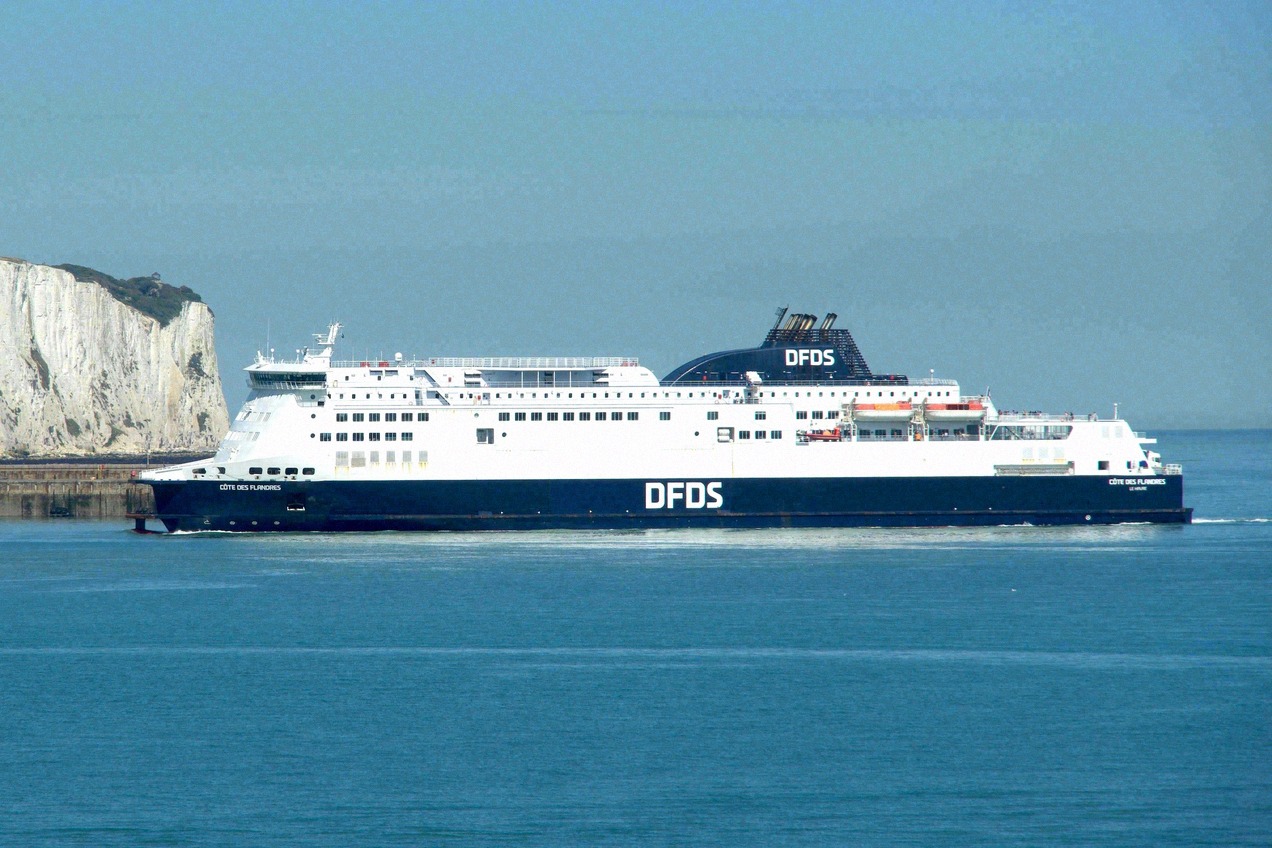
Ferry and LeShuttle compared
Table of Contents
The ferry and LeShuttle solve the same problem - a vehicle from Kent to the Calais coast - in different ways, and neither is simply "better". The ferry sails Dover - Calais in around 90 minutes and gives you a ship to walk around on. LeShuttle carries you Folkestone - Calais through the Channel Tunnel in 35 minutes while you stay in your car. This page compares them criterion by criterion; prices for both are dynamic, so the numbers belong to a live quote, not a table that ages. Ferry fares for your date are covered on the prices page.
The two routes, side by side
The corridors start eight miles apart and end at the same French motorway network. The ferry leaves Dover's Eastern Docks (A20/A2) and arrives at the Calais ferry terminal on the A16. LeShuttle leaves its Folkestone terminal at M20 junction 11a and arrives in Coquelles at A16 exit 42, a few minutes west of the ferry port. On both, all border checks happen before departure, so you drive straight off onto the motorway on the other side.
| Criterion | Ferry Dover - Calais | LeShuttle Folkestone - Calais |
|---|---|---|
| Crossing time | ca. 90 minutes | 35 minutes |
| Frequency | more than 30 sailings a day across three operators | up to 4 departures an hour |
| Check-in | operator-specific, typically at least 60 minutes | no later than 1 hour before departure |
| During the crossing | leave the car; decks, restaurants, shops | stay in or by your car |
| Foot passengers | with P&O Ferries | not carried (cycle service only) |
| LPG-powered vehicles | carried | not carried |
| Pets | vehicle or pet areas, by operator | stay in the car, fee per crossing |
| Fuel for the leg | no driving during crossing | no driving during crossing |
Time: crossing vs door to door
On paper the tunnel wins by nearly an hour per crossing. Door to door the picture tightens: LeShuttle asks you to check in no later than one hour before departure (boarding starts about 25 minutes ahead), the ferry operators ask for a similar window, and both sides can add border-control queues at peak times since ETA and the EU Entry/Exit System arrived. The honest summary: the tunnel saves real time on a day trip or a tight schedule; on a holiday journey of several hundred miles, the difference is one coffee stop.
Comfort: a break vs momentum
Ninety minutes on a ferry is a genuine break - a meal, a walk on deck, children out of their seats, a driver who arrives rested. Thirty-five minutes on LeShuttle is barely time to stretch your legs beside the car (there are small toilets on board, best used at the terminal). Which of those is a feature depends on your day: after a night drive to Dover, the ferry's pause is worth more than the tunnel's pace; with a ferry-averse stomach in the car, the tunnel wins in any weather.
Vehicles: the rules that actually decide
For ordinary cars, both carry everything and the price follows length and height. The decisions hide in the special cases:
- LPG and gas-powered vehicles are not carried by LeShuttle, even as a secondary fuel. If your camper runs on LPG, the ferry is the route.
- Camping gas bottles (cooking, heating) are fine on LeShuttle up to 47 kg, maximum 80 percent full, appliances off - and are equally accepted on the ferries with operator limits.
- High vehicles over 1.85 m ride in LeShuttle's single-deck carriages; motorhomes and caravans board via ramp-free loading. On the ferry they simply book the matching vehicle category - see vehicles.
- Motorcycles travel on both; LeShuttle prices them around half a car ticket.
- Bicycles and foot passengers are ferry territory: LeShuttle carries cyclists only via a pre-booked transfer service (about 10 working days ahead), and no foot passengers at all, while P&O sells foot-passenger tickets on the ferry - see foot passengers.
Pets
The paperwork is identical - the UK pet rules apply to the corridor, not the vehicle - and both operators handle animals well. On LeShuttle your pet stays with you in the car and is checked in at a dedicated pet reception (arrive 90 minutes ahead; the pet fee is charged per crossing). On the ferry, pets stay in the vehicle or use the operator's pet areas; the operator rules and the AHC/tapeworm paperwork are on the pets page.
Flexibility and disruption
Both sides sell tiered tickets, from cheap and fixed to fully flexible. LeShuttle's Flexiplus boards you on the next available shuttle on your travel day; its standard tickets expire an hour after the booked departure. The ferry operators run comparable ladders from restricted to flexible fares, with the added redundancy that three operators sail the same water: when one timetable is disrupted, the route as a whole rarely stops. In hard weather the tunnel is the less weather-sensitive system - honest is honest.
The short version
Take LeShuttle if pure speed decides, if you day-trip, or if leaving the car is a burden. Take the ferry if you want the break at sea, travel with an LPG vehicle, a bicycle or on foot, or want three operators' timetables to choose from. Fares for the ferry side are explained on prices; the sailings for your date are one click away on the timetable.
FAQ
Frequent questions about ferry vs tunnel
Is the Eurotunnel a train I sit in? +
Yes and no. LeShuttle is a car-carrying train between Folkestone and Calais - you drive on and stay with your vehicle for the 35-minute crossing. The passenger train through the same tunnel is the Eurostar, which is a separate service for travellers without a car.
Which is faster overall? +
The tunnel crossing itself is faster, 35 minutes against around 90. Door to door the gap narrows, because both sides ask you to check in up to an hour ahead and both drop you onto the same motorways. For a day trip the tunnel usually wins on time; for a holiday drive the difference rarely decides the day.
Can I take my motorhome with gas bottles through the tunnel? +
Yes, with limits - camping gas bottles up to 47 kg are allowed if appliances are switched off. What LeShuttle does not carry are vehicles that run on LPG or another flammable gas. LPG-powered vehicles travel by ferry.
Can foot passengers use LeShuttle? +
No. LeShuttle carries vehicles only; cyclists can book a special transfer service in advance. Without a vehicle, the ferry with P&O is the way across this corridor - see the foot passengers page.
Which is better with a dog? +
Both work and both need the same UK pet paperwork. On LeShuttle the dog stays with you in the car for 35 minutes. On the ferry, pets travel in the vehicle or in dedicated pet areas depending on the operator - details on the pets page.
Decided for the ferry?
Compare the Dover - Calais sailings of all three operators for your date.